
tulane law clinics
Immigrant Rights Clinic
Students represent vulnerable immigrant community members in defending against deportation, applying for immigration status, and vindicating federal civil and constitutional rights.
The clinic trains students to provide high-quality legal representation in response to urgent community need: Louisiana is ground zero in the access to justice crisis for immigrants across the country, detaining more immigrants than any state except Texas, with representation rates and outcomes in the region among the lowest in the nation. Students represent vulnerable immigrants with humanitarian claims, including detained immigrants, migrant workers, and children, before the immigration courts, immigration agencies, and the federal courts.
Students also work on an advocacy project every year to learn movement lawyering strategies and contribute to systemic advocacy efforts with community partners in the region, such as providing know-your-rights presentations at detention centers in remote areas.
The clinic aims to build a pipeline of immigrant defenders with training in zealous lawyering through challenging students to critically examine legal systems as well as the lawyer-client relationship.
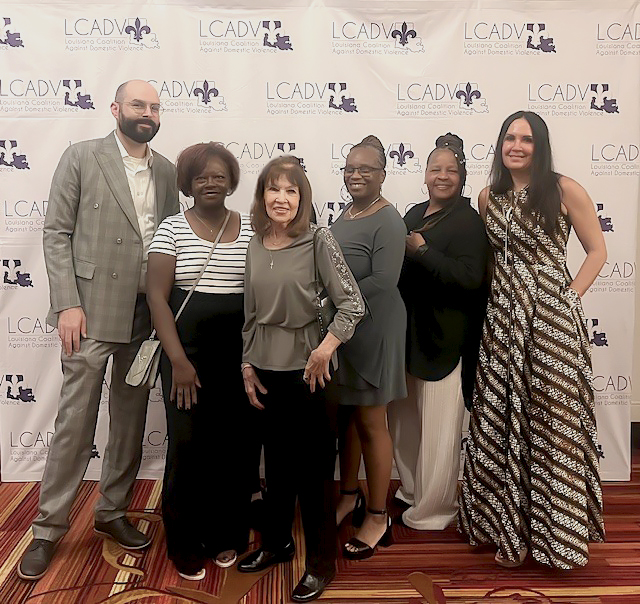
Our Team
Our Team


No End in Sight: Prolonged and Punitive Immigration Detention in Louisiana
No End in Sight: Prolonged and Punitive Immigration Detention in Louisiana, is the result of a year of research by Tulane Law’s Immigrant Rights Clinic, directed by Professors Mary Yanik and Laila Hlass, who are experts in immigration law and the detention system in Louisiana.
What Students Do

- Students learn core lawyering skills through working on real cases for vulnerable clients: interviewing and counseling, drafting declarations, conducting fact investigation and legal research, writing briefs, and arguing in courts and to agencies.
- Students examine and practice different models of lawyering, including client-centered lawyering, trauma-informed lawyering, community lawyering, and critical lawyering to inform formation of professional identity.
- Students work on strategic advocacy to support community-driven campaigns, such as efforts to stop the further expansion of immigration detention in Louisiana.
- Students reflect on the lawyering strategies adapted to different legal forums, including federal agencies, administrative immigration courts, and federal courts.

Real Impact
Laura killed her longtime abusive boyfriend in self-defense when he attacked and strangled her in her home. A non-unanimous jury convicted Laura of second-degree murder, which carries a mandatory sentence of life without parole in Louisiana. Laura entered prison with disabilities, left five young children behind, and spent two decades imprisoned without counsel.
Being part of the Women’s Prison Project was the highlight of my law school career. Working on [Laura’s] case profoundly shaped the way I represent clients in my current role as a public defender, particularly in how I recognize, understand, and advocate for women and the unique challenges they face within the legal system.
Student attorneys in the WPP pursued every possible path to Laura's freedom: post-conviction litigation, clemency, and post-clemency parole. After years of investigation and litigation, student attorneys Anna Carter (L'23) and Rebecca Goldstein (L'23) handled the final parole and post-conviction hearings and won Laura's release. Today, Laura is thriving and reunited with her children, now adults.
Rebecca and Anna now apply the skills they built while helping to win Laura’s freedom in their own legal practice. Rebecca is a public defender, and Anna is a capital post-conviction lawyer.