
Descendants of Plessy v. Ferguson to Speak at Tulane Law Feb. 26
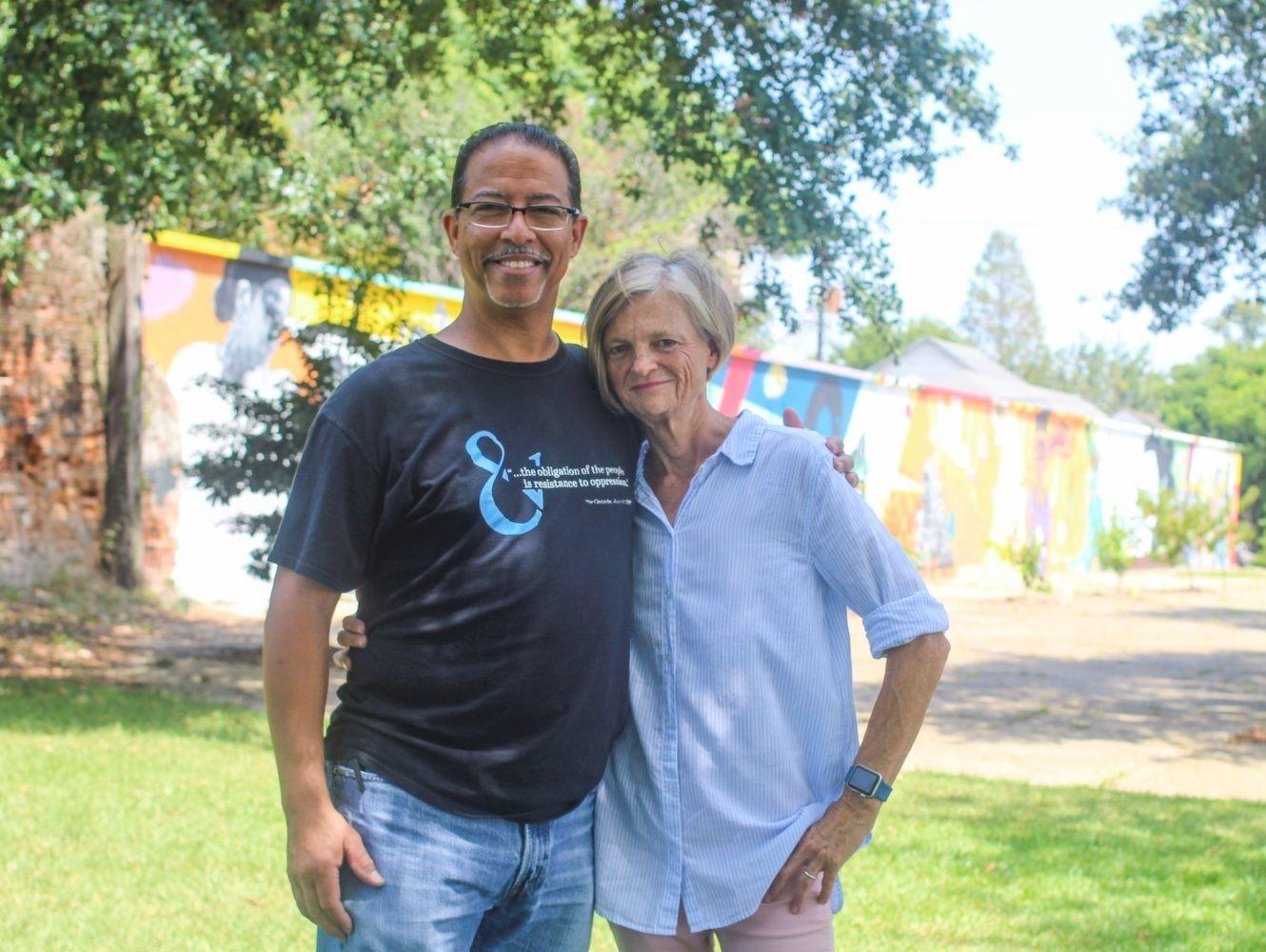
More than a century after the U.S. Supreme Court’s decision in Plessy v. Ferguson cemented racial segregation into American law, descendants of both men whose names define the case will sit side by side at Tulane Law School — not as adversaries, but as partners with a shared mission.
In observance of the 100th Anniversary of Black History Month, Tulane Law School and the Tulane Black Law Students Association on Feb. 26 will host Phoebe Ferguson and Keith Plessy for a conversation titled, “From VERSUS to AND: Our Shared History as Americans and How We Move Forward Together.”
The event will take place at Weinmann Hall, 6329 Freret Street, at 5 p.m. in the Wendell H. Gauthier Moot Court Room 110, with a reception to follow. The event is open to the public.
The 1896 Supreme Court decision in Plessy v. Ferguson upheld the constitutionality of racial segregation under the doctrine of “separate but equal,” a ruling that stood for nearly six decades until it was overturned by Brown v. Board of Education in 1954. The case originated in New Orleans when Homer Plessy, a mixed-race shoemaker, challenged Louisiana’s Separate Car Act by refusing to leave a whites-only railcar. Judge John Howard Ferguson presided over the criminal case that ultimately reached the nation’s highest court.
Keith Plessy, a descendant of Homer Plessy, and Phoebe Ferguson, a descendant of Judge Ferguson, are co-founders of the New Orleans-based Plessy & Ferguson Initiative, a nonprofit dedicated to teaching the history of the landmark case while promoting reconciliation, civic engagement and unity. Through public programming, educational outreach and historical preservation efforts, they have partnered with schools, universities and civic forums across Louisiana and beyond, working to reframe the legacy of Plessy v. Ferguson from one defined by division to one that uses their mutual history as a tool to create unity and understanding.
Their joint work has drawn national attention for its emphasis on reconciliation and shared responsibility. In 2022, Louisiana Gov. John Bel Edwards posthumously pardoned Homer Plessy, a symbolic act that followed years of advocacy and public education led significantly by Plessy and Ferguson.
At Tulane Law, the conversation is expected to explore the legal history of the case and the ways descendants of those once cast on opposite sides of history can work together in furtherance of a more perfect union.
